The Recovery Room
Digital Abuse in Relationships: Signs to Notice
When a phone, password, location, or account stops feeling like your own, the pattern deserves your attention.
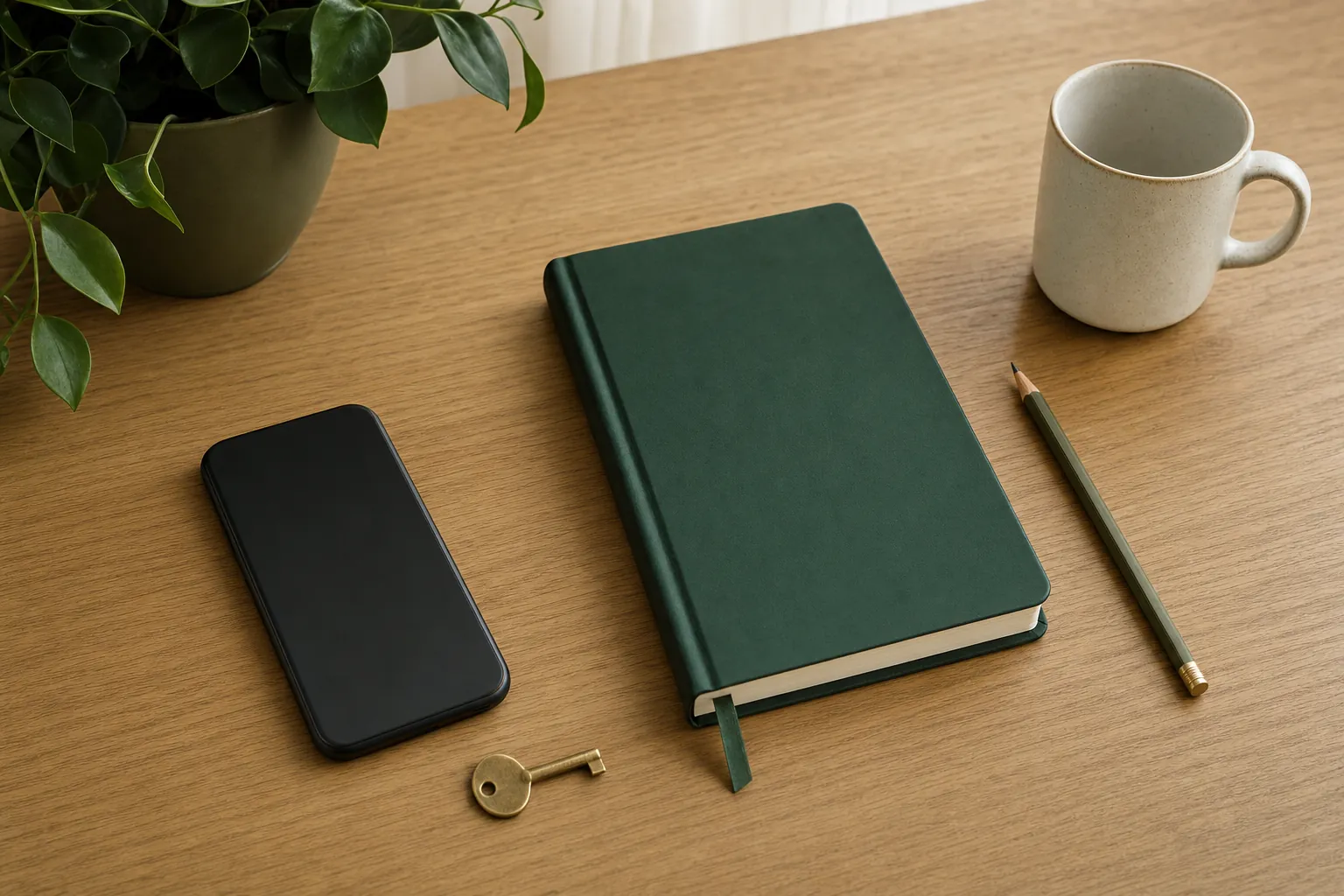
A phone can hold so much of a life: conversations with friends, photos, money, passwords, appointments, work, private thoughts, and the little decisions that make a day feel like your own. That is why digital abuse in relationships can be difficult to name. It may be framed as trust, protection, jealousy, concern, or simply wanting to be included. But when your phone, accounts, or location no longer feel like they belong to you, it is worth paying attention.
Maybe you are expected to answer immediately. Maybe someone scrolls through your messages, asks for your passwords, insists on location sharing, or gets angry when you turn your phone over. Maybe a notification makes your stomach drop because you already know the questions that will follow. You may have started deleting harmless conversations, avoiding friends online, or changing your plans so you do not have to explain them later.
You do not need to prove that every digital interaction is controlling before you take your discomfort seriously. This guide is a place to notice the pattern, understand why safety matters before changing anything, and find a quieter next step that fits your situation.
Digital abuse is about control, not one app
Many couples share passwords, calendars, photos, streaming accounts, or locations by mutual choice. Shared access is not automatically unhealthy. The question is whether you can say no without fear, punishment, accusations, or a long argument designed to wear you down.
Digital abuse can include using technology to monitor, pressure, isolate, threaten, embarrass, or control a partner. The National Domestic Violence Hotline explains technology-facilitated abuse as using phones, computers, social media, tracking tools, and other digital spaces as part of a larger pattern of harm. It can exist alongside other controlling behavior, or it can be one of the first places a pattern becomes visible.
The most important detail is not whether a person says they love you or worry about you. It is what their behavior asks you to give up. Privacy, time with friends, access to money, a private conversation, a change of plan, and the ability to move through the day without being checked on are all parts of your independence.
Signs digital control may be part of the pattern
Technology changes quickly, but controlling behavior tends to feel familiar. It puts one person in the position of needing to explain, prove, reassure, or ask permission. The examples below are not a test you have to pass. They are common ways the pattern can show up.
They demand access as proof of trust
Someone may insist that a loving partner would share every password, message, photo, or direct message. They may call you secretive if you want a private conversation with a friend. They may want to approve who you follow, make you remove people from your accounts, or accuse you of cheating when you protect your own privacy.
Trust is not the same as unlimited access. In a respectful relationship, you can choose what you share and still be treated with care. If saying no regularly turns into guilt, punishment, or suspicion, the problem is not that you need privacy. The problem is that your boundary is not being respected.
They use your location to question your movements
Location sharing can be convenient when it is genuinely optional. It becomes controlling when someone checks where you are throughout the day, confronts you over a stop you made, demands an explanation for every delay, or becomes angry if your location is unavailable. You may find yourself planning your route around what will look acceptable rather than what you actually want or need to do.
That kind of tracking can make ordinary independence feel dangerous. The same is true when someone repeatedly calls, texts, or video calls until you answer, then treats a missed response as evidence that you have done something wrong.
They use messages or images to keep you afraid
Digital control can include threats to share private images, messages, information, or photos. It can also look like posting about you, impersonating you, contacting people you care about, or using old messages to humiliate you during an argument. Even if the person says they are only joking, the effect may be that you become more careful, more isolated, and less able to speak freely.
No one gets to hold your private life over your head. If you are worried that someone may share intimate images or use online spaces to punish you, confidential support can help you decide what is safest without requiring you to handle it alone.
Care does not require constant proof
A controlling person may say that frequent check-ins are about safety. It is true that partners can care about each other's plans, especially when someone is traveling, unwell, or worried. The difference is whether care leaves you with a choice. A caring message sounds like, “Text me when you get home if you want to.” Control sounds like, “If you loved me, you would have answered. Turn on your location so I know you are telling the truth.”
Pay attention to whether you can have an ordinary delay, private conversation, or change of plan without paying for it later. When checking in becomes a ritual you perform to avoid anger, it is no longer simply about staying connected. It is about keeping someone else from escalating.
They seem to know things you did not tell them
Sometimes the uneasy feeling is not a direct demand. It is the sense that someone knows where you went, who you spoke to, what you searched, or what you said in a private conversation. There can be many explanations, and you do not need to become your own investigator to take that feeling seriously.
Shared devices, cloud accounts, account recovery settings, connected tablets, saved passwords, old devices, Bluetooth accessories, smart-home tools, and monitoring software can all create ways for information to be visible. The Safety Net Project's resources for survivors are designed to help people consider technology safety without assuming that every situation is the same.
If you have concerns, avoid confronting the person through a device they may be able to access. Do not rush to erase, reset, or change everything. A sudden change can alert someone who is already controlling and may make a situation less safe.
They turn your online life into another place you have to manage
You may stop posting, mute friends, leave group chats, change your privacy settings, or make yourself less visible because you are trying to prevent a reaction. You may feel pressured to prove where you are with photos or video calls. You may avoid asking for help online because you worry that someone will see it.
When you are constantly managing another person's response to your digital life, your phone is no longer just a phone. It can become another place where you are expected to make yourself smaller. That is part of why digital control can feel exhausting even when each individual request seems easy to explain away.
Why it can be hard to recognize
Digital control often arrives in small steps. A password is shared during a happy moment. Location sharing starts after a late night. A partner asks to see one message because they are worried. Then the access becomes expected. The questions become sharper. The consequences for refusing become harder to manage.
There may also be tenderness, apologies, and promises mixed in with the pressure. That does not mean the control is imaginary. A pattern can be confusing precisely because it is not constant. You might compare it to the worst story you have heard and tell yourself that it is not serious enough. But the more useful question is simpler: am I still free to have a private life without being punished for it?
The broader guide to coercive control can help you look at how monitoring, isolation, rules, and fear work together. Digital behavior matters because it can make those patterns reach into nearly every room of your life.
What not to do if you think someone is monitoring you
It is understandable to want an immediate answer. You may want to change every password, search your phone, confront the person, or delete everything that could be used against you. In some situations, those steps are safe. In others, they can create more risk by alerting a person who is already watching closely.
Try not to make a plan based only on what you think a phone or account might be doing. The National Domestic Violence Hotline's safety-planning guidance emphasizes that safety plans are personal. The safest next step depends on what the other person has done before, whether they have become threatening when challenged, and what support you have around you.
If you need to look for help online, a public computer, a trusted friend's device, or another device the person cannot access may be safer. If you are in immediate danger in the United States, call 911. For confidential help with relationship abuse, the National Domestic Violence Hotline can be reached by phone, chat, or text.
Support can be private and practical
You do not need a perfect explanation before asking someone to listen. A trusted friend may help you use a safer device, hold a copy of important information, or simply remind you that wanting privacy is not a betrayal. A domestic violence advocate can help you think about immediate safety, technology concerns, and what options make sense without pushing you toward a decision.
Choose support carefully if the person you are concerned about knows your circle or has access to shared accounts. You are allowed to keep the first conversation small. “I am worried someone is monitoring my phone, and I need to talk safely” is enough to begin.
A quieter way to begin finding clarity
You do not have to solve the technology question all at once. If it is safe, begin with what you already know from your own experience. Focus on the impact rather than trying to prove another person's intent.
- What access to my phone, accounts, location, or messages feels expected rather than freely chosen?
- What happens when I do not answer immediately or when I want privacy?
- Have I changed my friendships, plans, posts, or routines to avoid a reaction?
- Do I feel afraid to use my own device honestly?
- Who could I talk to from a safer device if I needed support?
Keep any notes only if it is safe. The point is not to build a case or force yourself toward a decision. It is to give your own experience somewhere to land. The guide to documenting gaslighting patterns offers a gentle way to separate what happened from the accusations that followed.
How Quinn's tools can help
Quinn's work is for the space where you are still trying to understand what has been happening. It is not a demand to confront, leave, or label your relationship before you are ready.
The Emotional Abuse Checklist can help you notice the wider pattern around privacy, control, blame, fear, and isolation. When you want a private place to sort through the facts and how they have affected you, My Clarity Journal offers structure without asking you to have the whole story figured out.
You may not know exactly what every device or account means today. You can still trust that a loss of privacy, freedom, or peace deserves your attention. Clarity can begin with one simple truth: my life should not become smaller because someone else wants access to every part of it.
Frequently asked questions
When your phone no longer feels like your own.
What is digital abuse in a relationship?
Digital abuse is a pattern of using phones, accounts, apps, passwords, location tools, or online spaces to monitor, pressure, humiliate, isolate, or control someone. The concern is not one shared password by choice. It is whether access is demanded, privacy is punished, or technology is being used to make your life smaller.
Is it controlling if my partner wants my location all the time?
Location sharing can be voluntary and practical in a healthy relationship. It becomes concerning when someone treats access to your location as proof of loyalty, becomes angry when you turn it off, checks it to question your movements, or makes you afraid to go somewhere without permission.
Should I change all my passwords if I think someone is monitoring me?
Not always. Changing passwords or device settings can alert a controlling person and may increase danger in some situations. Before making changes, consider using a safer device to speak with a domestic violence advocate or a technology-safety specialist about what is safest for you.
Can someone read my messages without having my phone?
It can happen through shared accounts, connected devices, saved passwords, cloud backups, account recovery settings, or monitoring software. You do not have to investigate this alone. A confidential advocate or technology-safety resource can help you think through what to check without putting yourself at greater risk.
Keep reading
More places to find steadier ground.

What Is Coercive Control? Signs to Notice
A calm, practical guide to noticing repeated control and shrinking freedom.
Read more →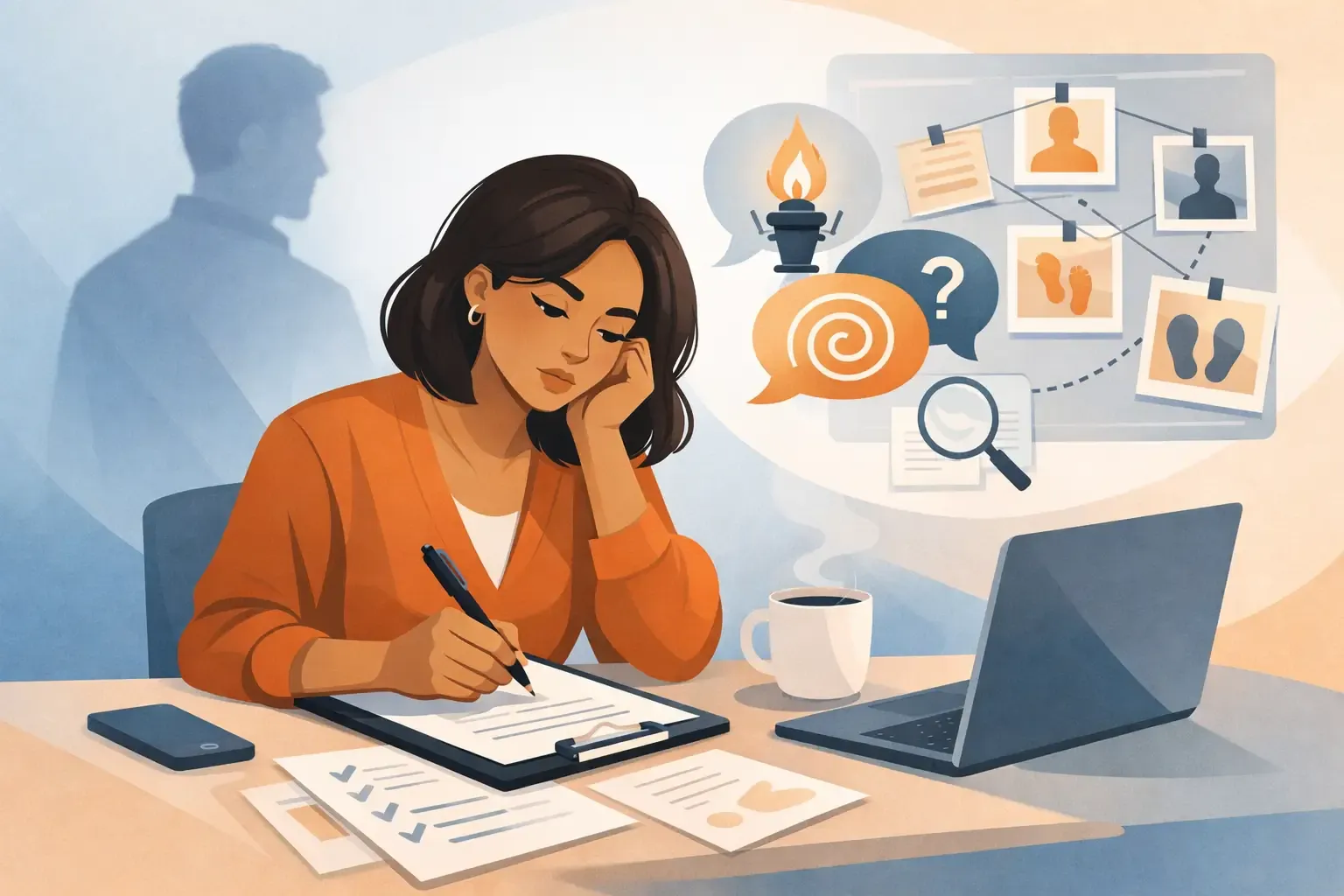
How to Document Gaslighting Patterns
A quiet, practical way to hold onto the facts when your memory has been questioned.
Read more →
Gaslighting Versus Genuine Forgetfulness
What matters when a disagreement about memory leaves you questioning yourself.
Read more →