The Recovery Room
11 Best Emotional Abuse Books to Read
A thoughtful guide to emotional abuse books that can offer language, validation, and practical support without pressuring you to make a decision.
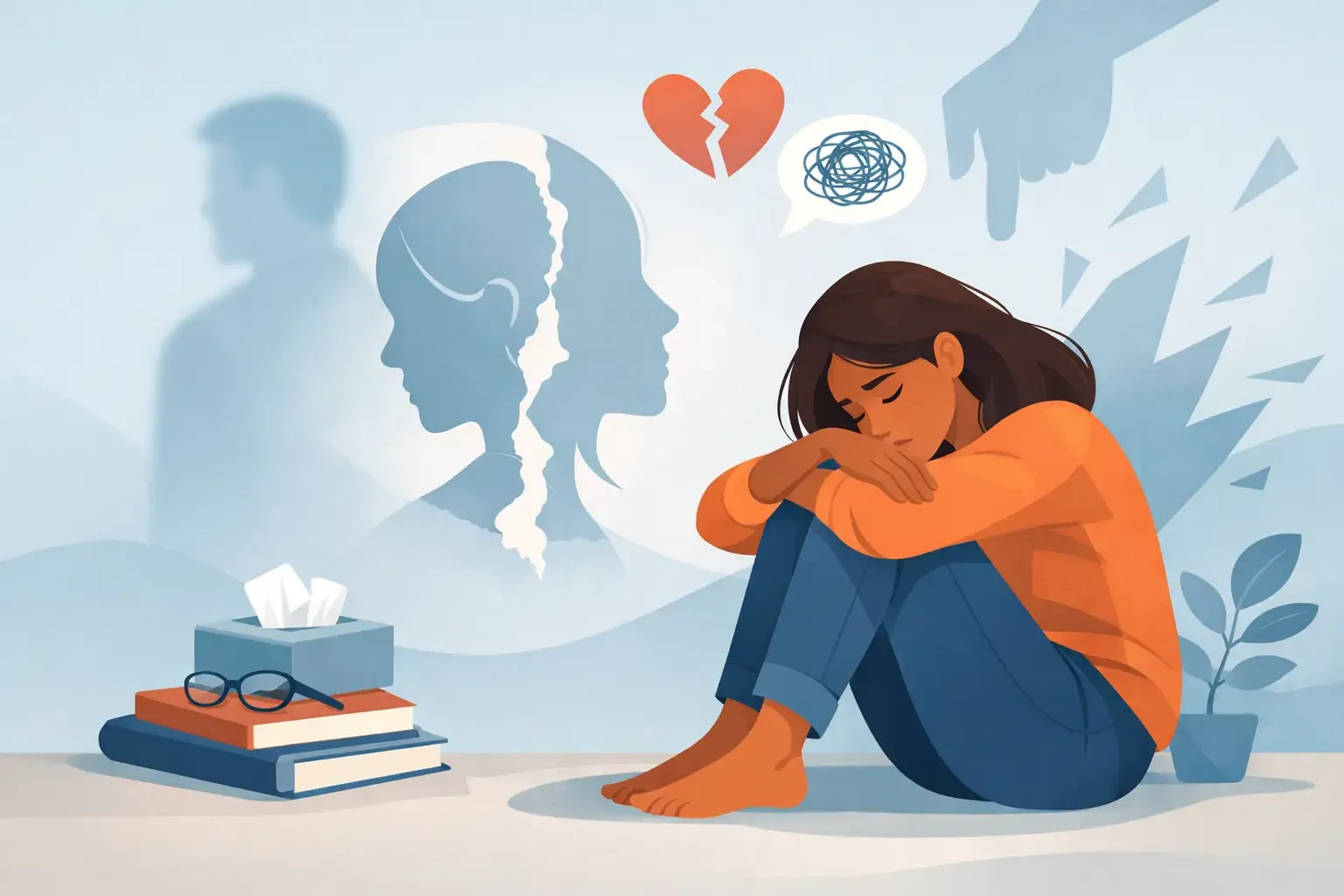
If you are looking for an emotional abuse book, you may not be looking for a dramatic answer. You may be looking for language. Perhaps you are trying to understand why you feel so confused, why an argument keeps ending with you apologizing, or why someone else's version of events has started to crowd out your own.
A helpful book does not force a decision before you have your footing. It can help you notice patterns, hold onto what you remember, and feel less alone in something that may have been kept painfully private. The right choice is less about finding the most famous title and more about finding a voice that meets you where you are.
Choose the kind of clarity you need now
If you are still in the relationship, books about gaslighting, coercive control, and emotional manipulation can help you name what has been hard to explain. If you have recently left, you may need a book that understands trauma bonds, grief, and the mental fog that can follow prolonged stress. If self-doubt is the hardest part, look for writing that helps you recognize a pattern instead of spending every page analyzing the other person.
You do not need to agree with every page for a book to help. One chapter, one sentence, or one checklist can be enough to help a memory or feeling make more sense. Read at the pace that feels manageable, and let the book serve you rather than asking you to perform recovery correctly.
Eleven emotional abuse books worth considering
1. Why Does He Do That?, Lundy Bancroft
For recognizing controlling behavior and patterns that may have been minimized.
2. The Verbally Abusive Relationship, Patricia Evans
For putting language to blame, withholding, twisting, dismissal, and sudden criticism.
3. Invisible Chains, Lisa Fontes
For understanding coercive control as a pattern that can include isolation, intimidation, monitoring, and financial control.
4. Psychopath Free, Jackson MacKenzie
For readers who want language for the confusion and emotional whiplash after a manipulative relationship.
5. Healing from Hidden Abuse, Shannon Thomas
For a gentler perspective on the lasting impact of quieter, harder-to-explain abuse.
6. Should I Stay or Should I Go?, Lundy Bancroft and JAC Patrissi
For the in-between place, when you need questions that help you look at patterns without being pushed into a decision.
7. The Gaslight Effect, Dr. Robin Stern
For understanding why repeated dismissal can make you question your reactions, memory, and reality.
8. Becoming the Narcissist's Nightmare, Shahida Arabi
For detailed survivor-focused language around idealization, control, and erosion of self-trust.
9. Women Who Love Psychopaths, Sandra L. Brown
For exploring attachment and relational patterns that can make an exploitative dynamic hard to leave or name.
10. Adult Children of Emotionally Immature Parents, Lindsay C. Gibson
For readers who are also making sense of older conditioning, emotional neglect, or over-functioning.
11. Why You Felt Crazy, Quinn Morgan
For a private, survivor-written place to name emotional abuse, gaslighting, and the patterns that can leave you doubting yourself.
Let the book be a place to return to yourself
Reading can bring up more than you expected. A chapter may leave you sad, angry, panicked, or relieved. That does not mean you need to push through. Try one chapter at a time. Write down a sentence that felt true, a behavior you recognized, or a moment you have been minimizing. You are not building a case for anyone else. You are making room for your own experience to be real.
If you are dealing with threats, monitoring, violence, or fear that someone may see what you are reading, put your safety first. You do not have to keep notes or confront anyone because a book gave you a new word for what is happening. The National Domestic Violence Hotline offers confidential support in the United States when it is safe to reach out.
For a quieter next step, Why You Felt Crazy offers survivor-written language for the patterns that can leave you doubting yourself. You can also use the Emotional Abuse Checklist to notice what has been repeating without asking yourself to decide everything today.
Frequently asked questions
Find the book that helps you hear yourself more clearly.
What should I look for in an emotional abuse book?
Look for a book that makes your experience clearer rather than more confusing. It should give language to patterns, leave room for your own pace, and avoid shaming you for staying, leaving, or still feeling attached.
Should I choose a survivor-written or expert-written book?
Both can be useful. Survivor-written books can offer immediate recognition and lived detail, while expert-written books can provide structure and terminology. The better choice is the one that helps you feel more grounded in the stage you are in.
What if reading about abuse makes me feel worse at first?
That can happen. A book may bring up grief, anger, panic, or relief when it names something you have been carrying alone. Go slowly, stop when you need to, and choose support that helps you feel steadier rather than pressured.
Can a book help if I am still in the relationship?
A book can help you notice patterns and find language for what you are experiencing. It cannot know your safety, finances, children, or circumstances, so use what helps and put safety first when a situation feels risky.
Keep reading
More places to find language for what you are living.
Best Narcissistic Abuse Recovery Book
A guide to choosing a book that matches the stage you are actually in.
Read the guide →
Emotional Abuse Checklist: Patterns to Notice
A private way to notice repeated control, fear, blame, and isolation.
Read the guide →
Gaslighting Versus Genuine Forgetfulness
A clear way to notice when disagreement becomes a pattern of self-doubt.
Read the guide →