The Recovery Room
Reactive Abuse Examples: What a Survival Response Can Look Like
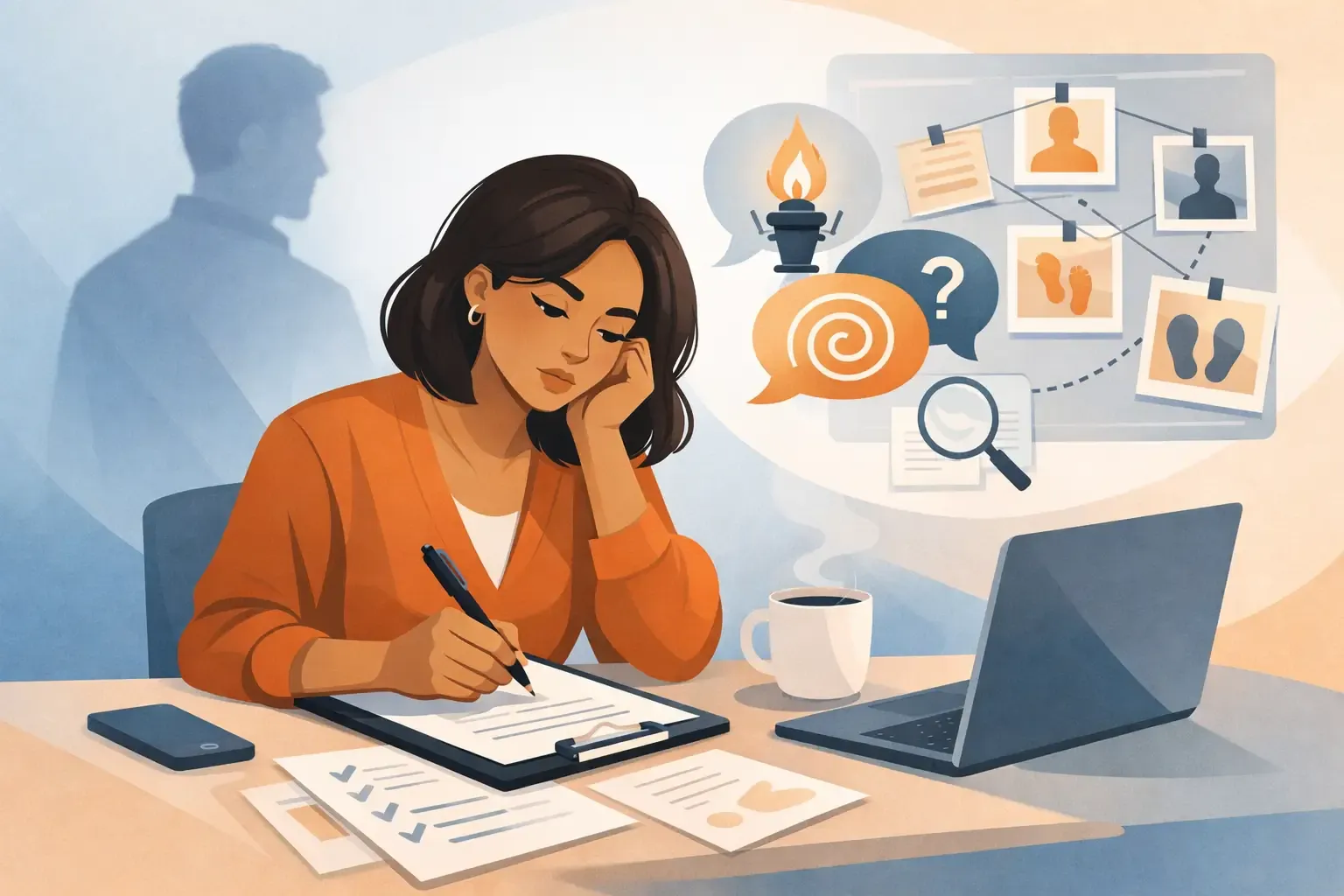
Reactive abuse examples can make you question yourself. Learn how to look at the wider pattern, protect your safety, and find clearer language for what happened.

Maybe you were calm for as long as you could be. Maybe you asked the same question three different ways, tried to leave the room, cried, went quiet, or swallowed your anger. Then something in you snapped. You yelled. You said something sharp. You threw an object. You shoved back. And suddenly that one moment became the only thing anyone wanted to talk about.
That is where many people start looking for reactive abuse examples. They are not trying to excuse a reaction that feels frightening or out of character. They are trying to understand whether one visible reaction means the whole story begins and ends with them.
The answer is usually found in the wider pattern, not in the most dramatic five minutes. A person can regret how they reacted and still be telling the truth about being provoked, intimidated, blamed, worn down, or made to doubt their reality. Your reaction matters. So does everything that happened before it.
What people mean by “reactive abuse”
The phrase is commonly used when someone who has been repeatedly harmed, threatened, demeaned, or manipulated reaches a breaking point and responds aggressively. The response may be verbal, physical, or both. It is a loaded phrase because it can make a survivor's response sound like equal abuse, even when the relationship has a clear pattern of one person using power and control over the other.
The National Domestic Violence Hotline explains that people who are being abused may defend themselves after being pushed to the limit, including after long-term emotional abuse or gaslighting. Its central distinction is important: defending yourself from an abusive partner is not the same as using abuse to control them.
This does not mean every angry reaction is harmless or that anyone needs to pretend they like how they behaved. It means a single outburst is not enough to explain a relationship. Abuse is about an ongoing pattern of power and control. A survival response can look messy because survival is messy.
Reactive abuse examples that need the full context
The examples below are not diagnostic tests. They are ways to look beyond the reaction itself and ask what pattern may have led to it. You do not have to match every detail for your experience to deserve care.
1. You raise your voice after hours of denial
You bring up something specific that hurt you. The other person denies it, says you are imagining it, criticizes your tone, and keeps changing the subject. You try again and again to explain. Eventually, you raise your voice or say something cruel because you feel trapped in a conversation where nothing you say is allowed to be real.
The visible moment may be your yelling. The wider pattern may be repeated denial, blame shifting, or being made to defend your own memory. The article on feeling crazy after arguments explores why a conflict can leave you so mentally scrambled that you barely recognize your own response.
2. You say something harsh after being constantly criticized
Someone picks at your appearance, work, friendships, parenting, money, or personality until you are raw. They may call it honesty, a joke, or concern. You try to stay composed because you know they will use your reaction against you. Then one day you answer with a cutting insult of your own.
It can be useful to acknowledge that the words you said were not how you want to communicate. It can also be useful to ask why the relationship has made you feel that cruelty is the only way to be heard. Repeated humiliation is not cancelled out because the person who endured it finally answered back.
3. You push someone away when they block or corner you
Physical reactions need particular care because safety can change quickly. Imagine someone follows you from room to room, blocks a doorway, stands over you, grabs your phone, or refuses to let an argument end. You push past them, shove them away, or strike out because your body is trying to create space.
That is not a situation to solve with a neat label. If someone is blocking you, threatening you, or making you fear for your safety, focus on getting to a safer place and getting support. The Hotline's personal safety planning tool can help you think through options privately. If you are in immediate danger in the United States, call 911.
4. You break something after relentless provocation
You may feel ashamed because you slammed a door, threw a pillow, broke a dish, or knocked something over. That reaction deserves reflection, especially if anyone could have been hurt. But it is still worth asking what was happening around it. Were you being screamed at? Had you been followed, mocked, lied to, or baited for an hour? Did the other person immediately begin recording you while ignoring everything that came before?
A person who provokes a reaction may use that reaction as evidence that they are the victim. It can be a powerful tactic because it gives you something concrete to feel guilty about while the ongoing pattern stays invisible.

Look at power, control, and repetition
When both people have been upset, it can be tempting to call the relationship “mutually abusive” and stop there. But that phrase can flatten a situation that needs more careful attention. The important question is not only who said the last hurtful thing. It is who has been controlling the emotional weather of the relationship, who feels afraid to speak, whose boundaries are ignored, and who is regularly forced to account for their own perception.
Patterns of control can include threats, monitoring, financial restriction, isolation from friends, sexual pressure, repeated humiliation, retaliation after a boundary, or twisting events until you feel responsible for the other person's behavior. Some of those patterns can be quiet. They can happen behind a polite public image. They can still have a powerful effect on how safely you feel able to respond.
If you find yourself thinking, “But I did something wrong too,” try holding two truths at once. You can want to change a reaction that does not feel like you. And you can refuse to let that reaction erase the context that pushed you there. Accountability is not the same as accepting every accusation someone makes against you.
It may help to read the difference between gaslighting and emotional manipulation, especially if arguments tend to end with your memories, motives, or sanity on trial. You are allowed to pay attention to the structure of the conflict, not just the worst thing you said in it.
Why shame can keep the pattern hidden
Many people who experience this dynamic feel deep shame after they react. That shame can make them apologize quickly, accept blame, delete messages, avoid telling friends, or decide that they are too difficult to help. It can also make them work harder to prove they are not “the bad one,” which leaves less energy to notice what has been happening to them.
Shame is especially powerful when the other person is calm by the time anyone else sees the situation. They may describe you as unstable while leaving out the insults, denial, intimidation, or escalating pressure that happened beforehand. They may bring up your reaction repeatedly while refusing to discuss their own actions. This does not prove every claim they make is false. It does mean the timeline matters.
When you are ready, write down the sequence in plain language. What happened before the argument? What did you ask for? What did they say or do? When did your body start to feel overwhelmed? What happened after you reacted? The guide to documenting gaslighting patterns can help you create a private record without trying to make it perfect.

What to do after a reaction that scares you
First, put safety ahead of analysis. If the argument is escalating, create distance if you can do so safely. Do not stay in a doorway, kitchen, garage, or other place where you could be trapped or where objects could become weapons. If leaving in the moment would make things more dangerous, focus on the safest next step you can see and contact support when it is safer to do so.
Once you have room to breathe, try not to make your most flooded moment the final verdict on who you are. Drink water. Sit somewhere with a door you can close. Put your feet on the floor. Let your body come down before you decide what the entire relationship means.
Then record the sequence while it is still fresh. The Hotline's guide to documenting abuse suggests keeping a journal with dates and descriptions, while also reminding people to consider privacy and safety. If a partner checks your phone, email, bag, or browser history, use the method that is least likely to put you at risk. A partial note is better than a detailed record that creates danger.
You can also tell one safe person what happened. You do not need a polished explanation. Try: “I reacted in a way I am ashamed of, but I need to tell you what led up to it.” A trusted person can help you hold the entire story when you are tempted to focus only on the part you regret.
How Quinn's tools can help you sort through the guilt
Quinn's work is for the moment before you are ready to make a big decision: when you need to name a pattern, hold onto your own account, and stop carrying all the blame by yourself. The Reactive Abuse reflection gives you space to examine what happened without pretending your reaction exists in a vacuum.
If memory has become foggy, My Clarity Journal offers a private structure for facts, feelings, patterns, and the clarity that can emerge when you see events side by side. For readers who want a quiet place to start, the relationship reality check worksheet can help you slow down the internal argument without pressuring you toward a conclusion.
You do not have to choose one story forever
A reaction you regret does not define you forever. It also does not require you to deny harm you may have experienced. You can learn healthier ways to protect yourself, express anger, or leave an escalating conversation. You can also keep looking honestly at whether someone has been using your fear, guilt, or breaking point to hold power over you.
If you need confidential support in the United States, The National Domestic Violence Hotline offers phone, chat, and text support. An advocate can help you think about safety and next steps without requiring you to have all the answers.

You are allowed to look at the whole pattern. You are allowed to feel regret without making yourself the sole cause of the story. And you are allowed to reach for clarity before you know exactly what to do next.
Frequently asked questions
When one reaction has become the whole story.
Does reacting badly mean I am the abusive one?
Not automatically. A raised voice, angry words, or a desperate reaction deserve honest reflection, but they do not tell the whole story by themselves. Look at the pattern over time: who has been using fear, humiliation, threats, isolation, monitoring, or repeated blame to hold power in the relationship.
Why is the term “reactive abuse” confusing?
The phrase is widely used, but it can make a survivor's defensive response sound like equal abuse. Many advocates focus instead on the wider pattern of power and control, and on the fact that defending yourself after being pushed to a breaking point does not erase what led there.
What should I do after I have reacted in a way that scares or embarrasses me?
Start with safety. Give yourself space from the immediate conflict if you can do so safely, write down what happened before, during, and after the moment, and reach out to someone trustworthy. You can take responsibility for choices you want to change without accepting a rewritten story about the harm you have experienced.
Should I confront the person who provoked me?
Only if it is safe and useful for your situation. You do not have to confront anyone to understand what is happening. If a partner becomes more volatile, controlling, or threatening when challenged, a confidential domestic violence advocate can help you think through options that fit your circumstances.
Keep reading
More places to find language for what you are living.
How to Document Gaslighting Patterns
A private, practical way to track what happened when your memory has been questioned.
Read more →
Why Do I Feel Crazy After Arguments?
Why conflict can leave you feeling foggy, ashamed, and far from your own point of view.
Read more →
12 Examples of Manipulative Apologies
A closer look at apologies that sound caring but keep the same harm in place.
Read more →